Mold Removal Nairobi and the Greater Nairobi Area
Get reliable and comprehensive mold detection, removal, and remediation with Nairobi's Restoration Services. Trust the most experienced restoration company in the country.Â
Call Green Carpet Cleaning& Allergy Kenya 0792-293-443 today for IICRC-certified mold removal services in Nairobi. Including free visible mold inspections and the best mold removal in Kenya. Restore your residential or commercial property with our team of certified and licensed technicians with over 10 years of experience, offering leading restoration services near you. We use advanced equipment, leading technology, and industry best practices to eliminate mold from your property.Â
Eliminate mold and create a healthier indoor space with proven remediation methods. To minimize the damage from mold, inspections, testing, and professional remediation are imperative.Â
Book your mold inspection in Nairobi today at 0792-293-443
BOOK A FREE MOLDÂ INSPECTION
Trusted, Award-Winning Mold Removal in Nairobi
- Licensed, CertifiedÂ
- Rated 5 Stars and Experienced with Mold Removal
- IICRC Trained and Certified (the most reputable restoration certification)
- Equipped with Advanced Industrial Remediation Equipment
- Willing to Communicate, Reporting Findings and Testing ResultsÂ
Â
Bringing a Breath of Fresh Air to Your Building
Green Carpet Restoration offers comprehensive mold remediation services for residential properties across the Nairobi, Kenya. Our highly trained and certified mold experts clean, sanitize, and mitigate mold. Our experienced crews and advanced technology can handle projects of any size with speed and efficiency.
Mold damage presents numerous threats to the safety of any structure and the health of its inhabitants. When moisture accumulates, mold can thrive, causing structural deterioration and foul odors. If not addressed promptly, mold can lead to serious health issues for homeowners and their families.
If you have found mold growth anywhere in your home, it is crucial to act swiftly. The mold remediation experts at Green Carpet Restoration are standing by 24 hours a day, 365 days a year. We develop a customized plan to clean out the mold, fully dry your residential structure, and restore it to its original conditionâor better.
Call Green Carpet Restoration now for immediate assistance. With our 24-Hour Emergency Response, we are prepared to dispatch a team of mold remediation experts to your home immediately. Green Carpet also provides mold remediation services for commercial properties.
Advanced Mold Remediation Tools & Technology
Our mold remediation process involves state-of-the-art tools and technologies to ensure thorough removal and prevention of mold:
- Dehumidifiers: High humidity levels can foster mold growth. Our dehumidifiers are used to maintain a dry environment, inhibiting mold growth.
- HEPA Filters: High-Efficiency Particulate Air (HEPA) filters are essential in our process. They trap mold spores from the air, preventing their spread and facilitating a cleaner, healthier environment.
- Disinfectants: Our team utilizes professional-grade disinfectants to kill mold spores on various surfaces, ensuring thorough cleansing of your home.
- Antimicrobial Solutions: To prevent future mold growth, we apply antimicrobial solutions that inhibit the recurrence of mold, providing long-term protection against mold contamination.
Is mold remediation toxic? We hear this question often. But have you ever thought that it is not the mold removal process is dangerous, but the fungus and mold spores themselves?
The mold remediation process is not inherently dangerous and can save you from health problems in the future.
Mold damages
When you see mold in your home or business, it can seem like a very little thing. Barely worth a second thought. However, mold is a big problem. It can cause a lot of damage, some of which may be rather surprising. Here are a few of the damages mold can cause:
Mold Affects Health
Mold spores are naturally in indoor air, but when it starts growing inside, the amount of mold spores in the air can increase exponentially. Why is this? Active mold growth is like a mold factory, making new spores that are released into the air when the mold is disturbed. Energy-efficient building practices, which make buildings easier to heat and cool, can restrict ventilation so the mold has nowhere to go.
This spells trouble for your health, especially if you have allergies or asthma. Mold has been proven to cause health effects in even non-sensitive individuals, so there is no safe mold problem. You don't want to live with mold. Since mold spreads so quickly, the amount of spores in the air you breathe will only increase over time. Even worse, complex mold projects run the real risk of containing a bigger variety of mold types, some of which may be toxic. Determining which type of mold is in your home is important because each kind of mold behaves differently. That is why Green Carpet Cleaning &Allergy Kenya offers a mold testing procedure.
Mold Destroys Property
In nature, mold feeds off of fallen leaves, branches, and other nutrient-rich organic materials. Mold is an important part of the decomposition that enriches the soil and breaks down dead vegetation.
Now think about what mold can do to your building. Mold can damage walls, floors and ceilings by weakening them, eating deep into the materials over time. Mold can also damage wooden support beams, especially when left to grow unchecked, in wet conditions, behind walls and in other hidden spaces. Whenever mold is growing in porous materials, whether upholstered furniture, building materials or carpeting, the materials may not be able to cleaned sufficiently and they may need to be disposed of and replaced instead.
What to do when you suspect, see, or smell mold
While it may be tempting to take up a cloth and wipe the mold away - stop. Mold that you see means it is growing spores - and touching them can release these spores into the air. According to the CDC, you need to treat mold right away.
Â
Contact Green Carpet's Restoration Services Today to stop mold in its tracks.
How Much Does It Cost to Remove Mold in 2024?
Mold removal costs start at Ksh30 per square foot but can vary depending on the severity of the outbreak. When visible mold is identified, our specialists offer free mold inspections, which can help offset some of the expenses associated with remediation. For a tailored cost estimate of your required services, contact Green Carpet's Restoration Services to get started fast.
Factors that will affect the cost of removal include:
- The number of techniciansÂ
- The number of expected hours/daysÂ
- The amount of supplies/consumables needed
- The type of equipment requiredÂ
As a trusted mold removal company for over 10Â years, Green Carpet's Restoration Services believes in fairness and transparency in pricing. Regarding mold removal and reconstruction, our goal is to help you successfully eliminate the outbreak for healthier living.Â
Contact us now for a mold inspection and cost estimate.Â
BOOK A FREE MOLDÂ INSPECTION
Our Mold Removal Process
The key to successful and safe mold remediation in Nairobi is a step-by-step approach. Experienced technicians will tailor mold inspections in Nairobi to your space, but to ensure complete remediation, they will follow government guidelines and industry best practices.Â
- Mold Inspection Nairobi
- Air Quality Testing )
- Scope of WorkÂ
- Mold Removal Services
- Additional Clearance
- Reconstruction
Do You Need Mold Removal?
The best individual approach to mold detection in Nairobi is a professional mold inspection, where our technicians will conduct inspections, collect samples, and put together a fast and thorough mold remediation plan.
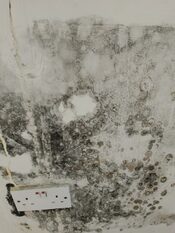
- Colours:Â Mold often appears in earth tones like green, black, white, grey, or yellow.
- Odours:Â Mold emits a strong, musty, earthy smell, often intensifying as it spreads.
- Texture:Â Mold may look fuzzy or velvety. Avoid touching it without gloves.
- Patterns:Â Mold often starts with irregular spots or staining.
Additional Indicators:
- Musty smell from AC or heating.
- Dark stains in shower grout.
- Peeling wallpaper.
- Excess humidity in the home.
To find out if it is really mold on your property, call Green Carpet's Restorations Services for mold testing and abatement.
BOOK A FREE MOLDÂ INSPECTION
We Serve Your Nairobi Neighbourhood
At Green Carpet's Restoration Services, we proudly serve a wide range of neighbourhoods across the Greater Nairobi Area. Our IICRC-certified, trained, and experienced technicians serve the entire city from east to west, offering top-tier mold removal services in Karen, Langata, kitisuru and Westlands. Whether youâre in the city or the nearby surrounding areas, you can trust Green Carpet's leading restoration company to provide reliable mold remediation for your commercial and residential properties.Â
Protect Your Property and Restore Your Air Quality with IICRC-Certified Mold Removal in Nairobi
BOOK A FREE MOLDÂ INSPECTION
Try to stay away from the area. Where mold is growing the density of mold spores in the air is higher, and could cause congestion or other problems, like headache and dizziness.
Turn off your HVAC because the last thing you want is to be pulling mold spores into your air circulation system.
Call a professional for mold remediation. The professional mold remediators at Green Carpet Cleaning &Allergy Kenya
use methods to remediate mold based on the prevailing industry standards. Our training and equipment will make sure that the problem is taken care of the right way.
The Mold Remediation Process
Want to know what to expect when you call Green Carpet Cleaning &Allergy Kenya for mold remediation? No two mold problems will be exactly alike, but they all require the same care and precision. Green Carpet Cleaning &Allergy Kenya's mold remediation technicians are qualified to inspect, remove and remediate mold from residential and commercial properties.
Green Carpet Cleaning &Allergy Kenya's remediation process usually combines several of the following steps:
- The Emergency Call
- The Inspection
- Mold Correction
- Containment Area Set-up
- Demolition
- Cleaning and Sanitizing
- Restoration & Final Cleanup
Common Areas for Mold in Residential Properties
To effectively tackle mold issues, a thorough inspection is key. Industrial hygienists meticulously examine various areas of your home to identify and address mold growth. Key areas for inspection include:
- Floors, Ceilings, and Walls: Floors, ceilings, and walls can harbor mold, especially if thereâs been water damage or high humidity. These surfaces should be carefully inspected for any signs of mold to ensure comprehensive coverage in remediation efforts.
- HVAC Systems: Mold can often thrive in HVAC systems, spreading spores throughout your home. A thorough inspection can identify any mold presence and allow us to take necessary steps for remediation.
- Crawl Spaces: Due to their typically high humidity levels, crawl spaces are common sites for mold growth. If mold is discovered in the crawl space, we use specialized methods for removal and remediation.
- Water Sources: Leaks or constant moisture from water sources can lead to mold growth. It is crucial to inspect all water sources, including pipes, faucets, and appliances, to identify and rectify potential mold-inducing conditions.
Ten Things You Should Know about Mold
- Potential health effects and symptoms associated with mold exposures include allergic reactions, asthma and other respiratory complaints.
- There is no practical way to eliminate all mold and mold spores in the indoor environment; the way to control indoor mold growth is to control moisture.
- If mold is a problem in your home or school, you must clean up the mold and eliminate sources of moisture.
- Fix the source of the water problem or leak to prevent mold growth.
-
Reduce indoor humidity (to 30-60%) to decrease mold growth by:
- Venting bathrooms, dryers and other moisture-generating sources to the outside
- Using air conditioners and de-humidifiers
- Increasing ventilation
- Using exhaust fans whenever cooking, dishwashing and cleaning
- Clean and dry any damp or wet building materials and furnishings within 24-48 hours to prevent mold growth.
- Clean mold off hard surfaces with water and detergent, and dry completely. Absorbent materials such as ceiling tiles, that are moldy, may need to be replaced.
- Prevent condensation: Reduce the potential for condensation on cold surfaces (i.e., windows, piping, exterior walls, roof, or floors) by adding insulation.
- In areas where there is a perpetual moisture problem, do not install carpeting (i.e., by drinking fountains, by classroom sinks, or on concrete floors with leaks or frequent condensation).
- Molds can be found almost anywhere; they can grow on virtually any substance, providing moisture is present. There are molds that can grow on wood, paper, carpet, and foods.
Â
Why is mold growing in my home?
Molds are part of the natural environment. Outdoors, molds play a part in nature by breaking down dead organic matter such as fallen leaves and dead trees, but indoors, mold growth should be avoided. Molds reproduce by means of tiny spores; the spores are invisible to the naked eye and float through outdoor and indoor air. Mold may begin growing indoors when mold spores land on surfaces that are wet. There are many types of mold, and none of them will grow without water or moisture.
Key points to keep in mind:
- The key to mold control is moisture control.
- If mold is a problem in your home, you should clean up the mold promptly and fix the water problem.
- It is important to dry water-damaged areas and items within 24-48 hours to prevent mold growth.
Â
Is Sampling/Testing for Mold Necessary?
In most cases, if visible mold growth is present, sampling is unnecessary. Since no limits have been set for mold or mold spores, sampling cannot be used to check a building's compliance with federal mold standards. Surface sampling may be useful to determine if an area has been adequately cleaned or remediated. Sampling for mold should be conducted by professionals who have specific experience in designing mold sampling protocols, sampling methods, and interpreting results. Sample analysis should follow analytical methods recommended.
Hidden Mold
Investigating hidden mold problems may be difficult and will require caution when the investigation involves disturbing potential sites of mold growth. For example, removal of wallpaper can lead to a massive release of spores if there is mold growing on the underside of the paper. If you believe that you may have a hidden mold problem, consider hiring an experienced professional.
Â
The Key to Mold Control is Moisture Control - Infographic
Mold... no one wants it in their home. Mold produces allergens and can cause health problems. Although mold is naturally found in the indoor environment, it won't grow without moisture.
Â
The Key to Mold Control is Moisture Control
Mold⦠no one wants it in their home. Mold produces allergens and can cause health problems. Although mold is naturally found in the indoor environment, it wonât grow without moisture.Â
Take steps to control mold and moisture indoors:Â
- Reduce humidity: use exhaust fans or open windows in kitchens and bathrooms, and use air conditioners or dehumidifiers as needed.Â
- Prevent condensation by reducing humidity, increasing ventilation, or raising the indoor air temperature.Â
- Completely dry any damp or wet surfaces within 24 - 48 hours, and fix the source of the water problem or leak. Â
If mold does grow in your homeâ¦Â
- Promptly fix the source of the water problem or leaks.Â
- Clean mold off of hard surfaces with water and detergent, and dry completely.Â
- Absorbent materials that have mold growth may need to be replaced â e.g., ceiling tiles, carpet, furniture.Â
- If you are experiencing symptoms that you think are caused by mold, consult a medical professional.Â
Â
Mold and Indoor Air Quality in School
The Agency's premier resource on this issue is the Indoor Air Quality Tools for Schools kit. Our schools-related resources on the web start with Creating Healthy Indoor Environments in Schools.
The asthma companion piece for the IAQ Tools for Schools Action kit, is Managing Asthma in the School Environment. This publication has a section entitled Clean Up Mold and Moisture Control.Â
Common Moisture Sources Found in Schools
Moisture problems in school buildings can be caused by a variety of conditions, including roof and plumbing leaks, condensation and excess humidity. Some moisture problems in schools have been linked to changes in building construction practices during the past twenty to thirty years. These changes have resulted in more tightly sealed buildings that may not allow moisture to escape easily. Moisture problems in schools are also associated with delayed maintenance or insufficient maintenance, due to budget and other constraints. Temporary structures in schools, such as trailers and portable classrooms, have frequently been associated with moisture and mold problems.
Suggestions for Reducing Mold Growth in Schools
Reduce Indoor Humidity
- Vent showers and other moisture-generating sources to the outside.
- Control humidity levels and dampness by using air conditioners and de-humidifiers.
- Provide adequate ventilation to maintain indoor humidity levels between 30-60%.
- Use exhaust fans whenever cooking, dishwashing and cleaning in food service areas.
Inspect the building for signs of mold, moisture, leaks or spills
- Check for moldy odors.
- Look for water stains or discoloration on the ceiling, walls, floors, and window sills.
- Look around and under sinks for standing water, water stains, or mold.
- Inspect bathrooms for standing water, water stains, or mold.
- Do not let water stand in air conditioning or refrigerator drip pans.
Respond promptly when you see signs of moisture and/or mold, or when leaks or spills occur
- Clean and dry any damp or wet building materials and furnishings within 24-48 hours of occurrence to prevent mold growth.
- Fix the source of the water problem or leak to prevent mold growth.
- Clean mold off hard surfaces with water and detergent, and dry completely.
- Absorbent materials such as ceiling tiles, that are moldy, may need to be replaced.
- Check the mechanical room and roof for unsanitary conditions, leaks, or spills.
Prevent moisture condensation
- Add insulation to reduce the potential for condensation on cold surfaces (i.e. windows, piping, exterior walls, room, or floors).
Floor and carpet cleaning
- Remove spots and stains immediately, using the flooring manufacturerâs recommended techniques.
- Use care to prevent excess moisture or cleaning residue accumulation and ensure that cleaned areas are dried quickly.
- Do not install carpeting in areas where there is a perpetual moisture problem (i.e., by drinking fountains, by classroom sinks, or on concrete floors with leaks or frequent condensation).
Mold Remediation in Schools and Commercial Buildings
Â
Concern about indoor exposure to mold has been increasing as the public becomes aware that exposure to mold can cause a variety of health effects and symptoms, including allergic reactions. This document presents guidelines for the remediation/cleanup of mold and moisture problems in schools and commercial buildings; these guidelines include measures designed to protect the health of building occupants and remediators. It has been designed primarily for:
- Building managers
- Custodians
- Others who are responsible for commercial building and school maintenance
It should serve as a reference for potential mold and moisture remediators. Using this document, individuals with little or no experience with mold remediation should be able to make a reasonable judgment as to whether the situation can be handled in-house. It will help those in charge of maintenance to evaluate an in-house remediation plan or a remediation plan submitted by an outside contractor1. Contractors and other professionals who respond to mold and moisture situations in commercial buildings and schools may also want to refer to these guidelines.
Molds can be found almost anywhere; they can grow on virtually any organic substance, as long as moisture and oxygen are present. There are molds that can grow on wood, paper, carpet, foods, and insulation. When excessive moisture accumulates in buildings or on building materials, mold growth will often occur, particularly if the moisture problem remains undiscovered or unaddressed. It is impossible to eliminate all mold and mold spores in the indoor environment. However, mold growth can be controlled indoors by controlling moisture indoors.
Molds reproduce by making spores that usually cannot be seen without magnification. Mold spores waft through the indoor and outdoor air continually. When mold spores land on a damp spot indoors, they may begin growing and digesting whatever they are growing on in order to survive. Molds gradually destroy the things they grow on.
Many types of molds exist. All molds have the potential to cause health effects. Molds can produce allergens that can trigger allergic reactions or even asthma attacks in people allergic to mold. Others are known to produce potent toxins and/or irritants. Potential health concerns are an important reason to prevent mold growth and to remediate/clean up any existing indoor mold growth.
Since mold requires water to grow, it is important to prevent moisture problems in buildings. Moisture problems can have many causes, including uncontrolled humidity. Some moisture problems in buildings have been linked to changes in building construction practices during the 1970s, 80s and 90s. Some of these changes have resulted in buildings that are tightly sealed, but may lack adequate ventilation, potentially leading to moisture buildup. Building materials, such as drywall, may not allow moisture to escape easily. Moisture problems may include:
- Roof leaks
- Landscaping or gutters that direct water into or under the building
- Unvented combustion appliances
- Delayed maintenance or insufficient maintenance are also associated with moisture problems in schools and large buildings
Moisture problems in portable classrooms and other temporary structures have frequently been associated with mold problems. For more information see IAQ Design Tools for Schools - Portable Classrooms.
When mold growth occurs in buildings, adverse health problems may be reported by some building occupants, particularly those with allergies or respiratory problems. Remediators should avoid exposing themselves and others to mold-laden dusts as they conduct their cleanup activities. Caution should be used to prevent mold and mold spores from being dispersed throughout the air where they can be inhaled by building occupants.
Footnotes:
Learn more about mold removal and remediation steps in the blog article:Â The Entire Process of Mold Remediation Services.
For more information contact us today! 0792-293-443
Â